
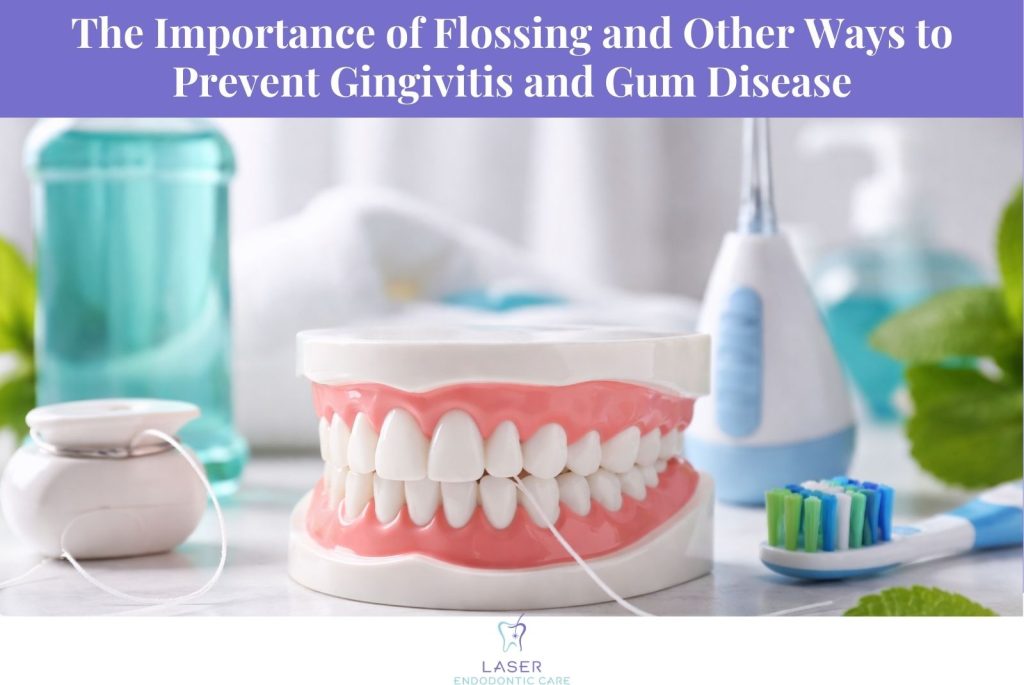
Healthy gums are the foundation of a healthy smile. While brushing is essential, many patients underestimate the importance of flossing and other preventive habits in protecting their gums from gingivitis and periodontal (gum) disease. At Laser Endodontic Care LLC, we believe that education and prevention are key to maintaining long-term oral health.
Gum disease is one of the most common oral health conditions in adults, yet it is largely preventable with proper daily care and regular professional attention. Understanding how gingivitis develops—and how simple habits like flossing can stop it—can make a significant difference in your overall dental health.
What Is Gingivitis and Gum Disease?
Gingivitis is the earliest stage of gum disease. It occurs when plaque—a sticky film of bacteria—builds up along the gumline. If not removed through proper brushing and flossing, plaque hardens into tartar, irritating the gums and leading to inflammation.
Common signs of gingivitis include:
- Red or swollen gums
- Bleeding while brushing or flossing
- Tender gums
- Persistent bad breath
If gingivitis is left untreated, it can progress into periodontal disease, a more serious condition that can cause gum recession, bone loss, loose teeth, and even tooth loss.
Why Flossing Is Essential for Gum Health
Brushing alone cleans only about 60% of the tooth surface. Flossing removes plaque and food particles from between the teeth and under the gumline—areas a toothbrush cannot reach.
Key benefits of daily flossing include:
- Preventing plaque buildup between teeth
- Reducing gum inflammation and bleeding
- Lowering the risk of gingivitis and periodontal disease
- Helping prevent cavities between teeth
- Improving overall breath freshness
Flossing once a day, especially before bedtime, is one of the most effective steps you can take to protect your gums.
Proper Flossing Technique Matters
Flossing incorrectly or too aggressively can irritate the gums. For best results:
- Use about 18 inches of floss
- Gently guide it between teeth without snapping
- Curve the floss into a “C” shape around each tooth
- Slide it gently under the gumline
- Use a clean section of floss for each tooth
If traditional floss is difficult to use, floss picks or water flossers can be excellent alternatives.
Other Effective Ways to Prevent Gingivitis and Gum Disease
1. Brush Twice Daily With the Right Technique
Use a soft-bristled toothbrush and fluoride toothpaste. Brush for at least two minutes, angling the brush toward the gumline to remove plaque effectively.
2. Use Antibacterial or Antiseptic Mouthwash
Mouthwash helps reduce bacteria that cause plaque and gingivitis, especially in hard-to-reach areas.
3. Maintain Regular Dental Visits
Professional cleanings remove tartar that brushing and flossing cannot. Routine exams also allow early detection of gum disease before it becomes serious.
4. Eat a Balanced, Low-Sugar Diet
Sugary and starchy foods feed harmful bacteria. A diet rich in fruits, vegetables, lean proteins, and whole grains supports gum health.
5. Avoid Tobacco Products
Smoking and tobacco use significantly increase the risk of gum disease and slow healing. Quitting tobacco greatly improves oral and overall health.
6. Manage Medical Conditions
Conditions such as diabetes can increase susceptibility to gum disease. Proper medical and dental care work together to protect your gums.
How Advanced Dental Care Supports Gum Health
At Laser Endodontic Care LLC, we use advanced diagnostic tools and modern techniques to support comprehensive oral health. Healthy gums are essential for successful dental treatments, including root canal therapy and restorative care. Our focus is always on preserving natural teeth while promoting long-term periodontal health.
Frequently Asked Questions (Q&A)
Q: How often should I floss?
A: You should floss at least once a day. Daily flossing is the most effective way to prevent plaque buildup between teeth and along the gumline.
Q: Is bleeding during flossing normal?
A: Occasional bleeding may occur if your gums are inflamed, especially if you’re new to flossing. With consistent daily flossing, bleeding should decrease within a week or two. Persistent bleeding should be evaluated by a dental professional.
Q: Can gingivitis be reversed?
A: Yes. Gingivitis is reversible with proper oral hygiene, including regular brushing, flossing, and professional dental cleanings.
Q: What happens if gum disease is left untreated?
A: Untreated gum disease can progress to periodontal disease, leading to gum recession, bone loss, loose teeth, and potential tooth loss.
Q: Are water flossers effective?
A: Yes. Water flossers can be very effective, especially for patients with braces, dental implants, or limited dexterity. They are a great supplement or alternative to traditional floss.
Q: How often should I see a dentist for gum health?
A: Most patients should visit the dentist every six months. Patients with a history of gum disease may require more frequent visits.
Protect Your Gums for a Lifetime of Healthy Smiles
Preventing gingivitis and gum disease starts with daily habits and continues with professional care. By flossing consistently, brushing properly, and scheduling regular dental visits, you can protect your gums and preserve your natural smile for years to come.
If you have concerns about gum health or need specialized dental care, the team at Laser Endodontic Care LLC is here to help.
Contact Information
Laser Endodontic Care LLC
📍 8133 Leesburg Pike, Suite 610 (Tysons Corner)
Vienna, VA 22182
📞 Phone: (703) 448-8433